


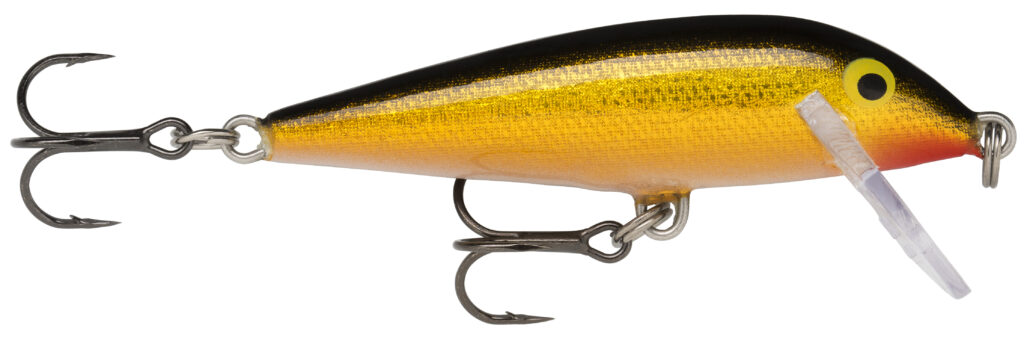
Catch More This Season with Rapala Fishing Lures
You want more bites and fewer wasted casts.
There is a broad set of lures made under the Rapala name. You’re looking at hard baits like minnows, crankbaits, and jerkbaits. You’ve also got jigs for vertical fishing. More recently, Rapala has pushed deeper into soft plastics too. With this guide, you’ll learn how to choose the right lure type for Irish waters and fish it well.
From a Finnish Idea to a Global Tackle Business
Rapala starts with one simple observation. Big predators pick off the weak. So in 1936, a Finnish angler called Lauri Rapala set out to copy that “easy meal” signal in a lure. He focused on the movement first, not the paint job. That “wounded-minnow action” is still the brand’s calling card today.
What made his approach different was the obsession with consistency. If a lure looked right but swam wrong, it was useless. That’s why there was extensive testing to make sure they swam as intended. The lure should track properly and behave predictably when you fish it.
With the Rapala fishing lures, you’re getting repeatable action you can learn and replicate.
And today, it’s not just a heritage lure brand. Rapala is a listed tackle company, with manufacturing, distribution, and product lines far beyond one famous minnow bait. Their 2024 Annual Report showed net sales of €220.9 million, with an operating profit of €8.6 million.
It’s also a genuinely global operation. A 2025 release about the annual report notes the group employs around 1,400 people in approximately 40 countries, and that the company’s shares have been traded on Nasdaq Helsinki since 1998. That’s a long way from a small workshop making a few lures at a time.
What’s most interesting for you, though, is how Rapala is moving with the market. Soft plastics are a massive part of modern lure fishing, so Rapala launched CrushCity soft baits, with the brand saying they’d be widely available in spring 2024, and listing a suggested MSRP of $8.99 CAD for the baits in that announcement.
So yes, the story starts in 1936. Still, the company you’re buying from today is built for modern tackle choices, not nostalgia. History explains the “why”. Next, we look at the “how”.
How Rapala Lures Actually Trigger Strikes
Fish don’t bite because your lure looks expensive. They bite because it moves like food that’s about to lose.
Action: wobble, roll, slash, pause
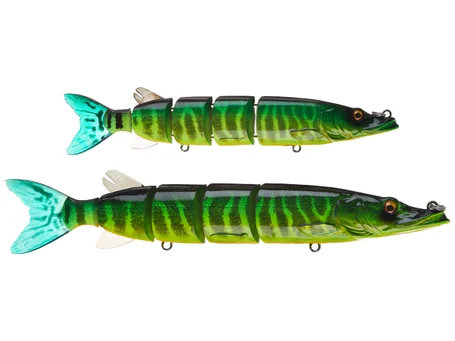
With Rapala-style hard baits, you’re mainly playing with wobble, roll, and sudden changes. A crankbait tends to give you a steady side-to-side beat. Meanwhile, a jerkbait is built for sharp direction changes, followed by a pause.
Wobble is not one thing. It sits on a spectrum. Some lures give a wide wobble that you can almost “feel” pulsing through the rod. Others give a tight shimmy that looks subtle but deadly. For instance, the Shad Rap Elite can get you a wide wobble action or give you a tight shimmy depending on retrieve speed. So if fish are active, you can speed up and get that wider movement. If they’re fussy, you slow down and keep it tight.
Jerkbaits add another trigger: the slash and pause. Rapala’s Husky Jerk is designed to “run true” at different speeds, and it’s explicitly built as a suspending lure with neutral buoyancy. That matters because you can make it dart, then hang still. Predators often hit on the pause because it looks like the prey has given up.
Straight tracking is the quiet and effective, especially in clearer water. If a lure blows out sideways, it looks wrong. It also spooks fish that have time to inspect. A simple bank test helps: pull the lure beside you in the margins and watch it. If it tracks straight, you can fish well. If it leans or rolls oddly, tune it before you waste a session.
Depth control: the lip, the line, and your retrieve
For most Rapala hard baits, the diving lip is the depth engine. A bigger or more aggressive lip grabs water and drives the lure down. A smaller lip keeps it shallower.
For example, an Original Floater F11 has a running depth of 1.2–1.8 m, while an F18 is at 1.8–3.3 m. That’s a massive difference in where the lure swims, even though both are “floating minnows.” Likewise, the Shad Rap ranges by size, with models listed at 4’–7′, 5’–11′, and even 8’–15′ running depth depending on the version. Those numbers give you an instant starting point when you’re matching a lure to a drop-off or a weed edge.
If you want a crankbait to get down, thinner line helps it cut through water. Thinner diameter creates less resistance, helping the bait reach the desired depth quicker.
Casting distance also matters. Rapala’s DT series for instance can be cast 150 feet, and the farther the cast is, the longer the bait will be in the strike zone. That’s the part most anglers miss. It’s not about hitting “maximum depth” once. It’s about how long your lure stays at the right depth while moving naturally.
Say fish are sitting along a 2–3 m edge, you want a lure that reaches that band and keeps working there. A longer cast, a steady retrieve, and a lure built to dive fast to a preset depth”keeps you in that band longer. That’s more time in front of fish. That means more chances.
Buoyancy: floating, suspending, sinking
Buoyancy decides what happens when you stop retrieving. That sounds minor, yet it changes a lot.
- Floating lures aid with your snag-management
The Original Floater is a true floating bait. Twitch it across the surface, crank it back shallow, or add weight when you want it to run at medium depth. The key moment is the pause. In weedy margins or rocky shallows, a floating lure rises when you stop. That gives you a way out of trouble without tearing hooks into cover.
- Suspending lures are built for the stare-down
The Husky Jerk is a suspending jerkbait with neutral buoyancy. Pause your retrieve and it won’t race up or drop away. It just hangs in the strike zone. That dead-still moment screams “injured.” It also gives a following fish a clear target.
- Sinking options shine when wind and current push you around
Even when you’re not fishing a pure sinking hard bait, weight and sink rate matter. In deeper water, or when the wind bows your line, a lure that gets down and stays down saves you from fishing uselessly high in the water column. You’ll see this idea again later when we talk vertical methods and deeper edges.
Sound and flash factor
Sound can save you in coloured water. It can also wreck you. You want it to match the conditions.
Rapala builds sound into some of its best producers. The Husky Jerk throws off sharp rattles that push vibration through the water, while the DT series uses a deeper, baritone-style internal rattle. That extra noise helps when the water is coloured, light is low, or wind chop makes it harder for fish to key in on your lure.
In bright, calm conditions, subtle often wins. Flashy finishes and loud rattles can look unnatural when fish have time to inspect. That’s when you lean on tighter actions and calmer presentations, and you let the lure’s movement draw them in.
Hardware has a huge impact. For instance, the Shad Rap comes fitted with super-sharp VMC trebles and each lure is hand-tuned and tank-tested, so it runs true out of the box. Sharp points turn timid taps into solid hook-ups, while strong split rings and balanced hooks keep the bait tracking straight instead of rolling or looking “off.”
The Rapala Families For Your Expeditions
You don’t need twenty different Rapalas. You need a few families that cover jobs. Then you rotate them based on venue, depth, and fish mood.
Original Floater: the “do-everything” baseline
If you only buy one Rapala hard bait, start here. The Original Floater is built for shallow water work where control matters more than raw depth. Rapala literally calls it their “legendary first” lure and a “number one go-to”. It’s designed to be twitched on top, retrieved as a shallow runner, or even weighted with a split shot when you want it a bit deeper.
The build is part of the appeal, and you only need to clock it once. You’re getting balsa construction, a floating profile, stainless through-wire strength, and hand-tuned, tank-tested quality control. Then it’s hand-tuned and tank-tested, so it tracks straight and behaves properly the moment you tie it on.
It comes in a practical size range, with body lengths from 3 cm up to 18 cm. That way you can scale up or down without changing your whole approach.
This is one of the Rapala fishing lures that is particularly effective when you’re in places that punish heavy diving plugs, like canals with reeds and snags. Or weedy lough margins where you want to work the edge without ploughing into salad. Even slow rivers where you can twitch, pause, and let it float up over trouble before the next pull. It’s a confidence lure because you can fish it slowly and still look believable.
When you want more “set depth” control, though, you’ll want a crankbait. That’s where the Shad Rap earns its keep.
Shad Rap: when you want a dependable crankbait
The Shad Rap is for days when you want a steady retrieve. You cast, you wind, and you let the lure keep a consistent beat. That makes it brilliant for covering water when fish are scattered.
A solid Shad Rap setup runs in the 2.4–4.5 m range, with a 9 cm body and a 15 g weight. Those numbers determine where the lure will spend most of its time.
Here’s how that looks on the bank. Say you’re fishing a lough with a clear drop from 2 m into 5 m. A lure working the 2.4–4.5 m band is made for that shelf. You can cast parallel to the edge and keep it tracking the “step” instead of wasting half your retrieve in dead water.
This is also where the Shad Rap beats a classic minnow lure. Minnows are great when pauses trigger bites. Still, some days fish want constant movement. A crankbait’s steady wobble can feel like a reliable metronome, and predators often react without overthinking.
If you like that “depth band” idea but want even more precision, the DT family is your go-to
DT (Dives-To) series: controlled depth and longer strike-zone time
DT stands for “Dives-To,” and the whole pitch is simple. These crankbaits dive fast to a preset depth and stay in the strike zone longer. That’s a real advantage when fish are holding on ledges, shelves, and contour breaks.
DT crankbaits also lean on a very specific materials standard. They’re built from the top seven percent of balsa wood for steady buoyancy and repeatable action. So if you lose one and replace it with the same model, you get the same dive, the same wobble, and the same confidence on the next cast.
This family is a strong pick when you need to “skim” a zone. Think of weed tops sitting around 2 m, with clearer water underneath. You pick a DT that reaches your target depth, then retrieve so it ticks or just kisses the top strands. That little “tap-tap” is often what triggers a strike, because it looks like a baitfish panicking and making mistakes.
DTs are also built around strike-zone time. These crankbaits hit their running depth and keep working there longer than most. That’s the whole reason cranks catch fish: more time in front of faces.
When fish follow but don’t commit, though, the crankbait approach can feel too steady. That’s when you swap to a suspending jerkbait and force a decision.
Husky Jerk: the pause bite specialist
The Husky Jerk is designed for control during stops. It suspends with neutral buoyancy, which means it hangs in place when you pause. Since it’s perfectly balanced, can be cast or trolled at any speed, and still runs straight and true. That’s exactly what you want when you’re fishing clear water and you can’t afford a lure that tracks weird.
It also has sound built in — a rattle chamber that transmits sound waves that amplify through the water, and it’s listed with loud rattles. So if you’re fishing wind-blown water, stained canals, or gloomy winter days, that noise helps fish find the lure.
There’s a deeper version worth checking out too, because it covers a different job. The Down Deep Husky Jerk gets down close to 6 metres when you troll it, and it will work down to around 3 metres on the cast. That’s handy on deeper drop-offs where a standard suspender won’t spend enough time near fish.
Your basic retrieve is simple and repeatable: jerk-jerk-pause. The pause is the whole point. You’ll expand the pattern later, but for now, keep it clean. Two sharp pulls, then let it hang long enough to feel uncomfortable.
When you want even more aggression and flash, the X-Rap style “Slashbait” approach steps in.
X-Rap style “slashbaits”: reaction strikes and speed changes
The X-Rap is built around action you control. You can fish it with an aggressive “slash and pause” style, or you can work it with a more classic wobble when fish want something steadier. It also throws a 3D minnow illusion, with prominent scales and a lateral line that catches and flashes light.
One X-Rap setup runs 1.2–1.8 m, with a 10 cm body and 13 g weight, with suspending buoyancy. That’s a sweet spot for shallow edges, bays, canal stretches, and rocky margins where you want depth without digging into the bottom.
There’s also the X-Rap Deep, which covers a different depth job. One option runs 1.5–3 m, with an 8 cm body and 7 g weight, still suspending. So if your fish are sitting a bit deeper along a shelf, you can keep the same “slash and pause” style but work a lower band.
This family is your aggressive choice for active predators. It fits windy days when fish are already chasing. It also fits shallow reef edges and broken ground, where sudden darts look like prey trying to bolt. Note its distinction from the Husky Jerk: Husky Jerk is controlled and patient. X-Rap is sharper, flashier, and more about provoking a reaction.
When fish won’t move far at all, you stop searching and start fishing a spot. That’s where vertical tools come in.
Jigging and vertical options
Hard baits are brilliant for covering water. Still, sometimes you already know where the fish are. Maybe you’ve marked them on sonar. Maybe you’re fishing a deep hole you trust. Maybe it’s winter and they’re stacked tight.
That’s when a vertical lure makes sense. Rapala’s Jigging Rap is designed to swim in “tantalising circles” under ice or in open water for suspended fish. It’s a balanced, weighted minnow profile and can also be bottom bounced “yo-yo style” off the bottom. That “circle” movement is important because it covers space without you having to move the boat much.
You also get a meaningful size spread. The Jigging Rap sizes run from 2 cm to 9 cm. So you can go tiny for perch-style situations or bigger for predators that want a meal.
This is great for deep lough marks, steep drop-offs, and cold snaps where fish sulk. It’s also handy when wind makes casting awkward but you can still hold a spot with a drogue or steady electric. You’re not trying to “find” fish with this lure. You’re trying to tempt fish that are already there.
If you want the most snag-friendly, slow-moving option of all, though, you move away from hard baits entirely and into soft plastics.
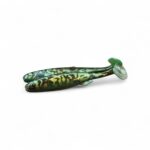
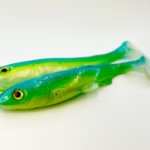
CrushCity soft plastics: Rapala’s newer push into soft baits
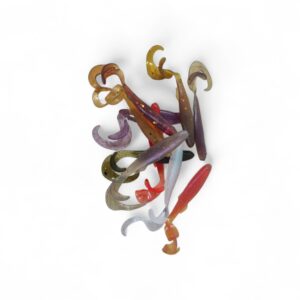
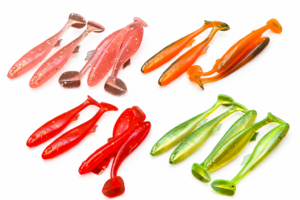
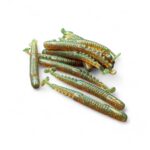
Soft plastics change how you fish. They let you go slower, rig weedless, and work tight spaces without hanging trebles in everything. They also make colour and profile changes quick, which is handy when fish are following but not committing.
Rapala launched CrushCity as a dedicated soft bait line. The baits were first available in fall 2023 at select retailers and became widely available in spring 2024.
So where do soft baits beat hard baits? Start with snaggy venues. Weed beds, reeds, rocky gullies, and timber all get easier when you can rig weedless. Then look at cold fronts. Fish often go negative after pressure shifts, and a soft bait you can crawl, dead-stick, or gently shake can outfish a plug that feels too “busy.”
CrushCity doesn’t replace your hard baits. It rounds them out. It gives you a quieter, slower option for tough days, without you needing to change your whole fishing style.
Build Your Rapala Plan For Ireland: Species + Venue + Conditions
Your plan should start with the water in front of you, not the lure in your box. Irish waters can switch moods fast. A calm canal can turn into a wind-pushed chop. A clear lough can go tea-stained after rain. So your first job is to read conditions, then match a Rapala family to that.
Assessing water conditions
Look for clues that decide how high, how deep, and how snaggy you can fish.
Use this quick checklist:
- Depth changes: Can you see a shelf, a channel, or a sudden drop?
- Bottom and cover: Weed, rock, silt, timber, reeds, or man-made edges?
- Clarity: Can you see your boots in ankle-deep water? Or is it milky?
- Wind: Is it slick calm, breezy, or properly pushing waves?
- Access: Are you bank fishing, wading, or in a boat?
Weed and shallow margins usually point you toward floaters and weed-friendly soft baits you can guide through gaps.
Drop-offs and shelves push you toward depth-matched cranks that stay in the zone longer, instead of drifting above it.
Cold or pressured fish nudge you toward suspending jerkbaits and slower, stop-start retrieves that hold in their face.
Pike in loughs, canals, and slow rivers
Pike live everywhere in Ireland. They also punish mistakes. So your plan needs two parts: where you’ll fish, and how you’ll fish it safely.
Weedy margins and reed lines are classic Irish pike water. Here, a floating minnow lets you work shallow without constantly digging into weed. You can cast tight, twitch it free, and keep moving. If the weeds are thick, soft baits you can rig more weed-friendly often save your session, because you spend less time cleaning hooks.
Drop-offs, points, and deeper shelves are where crankbaits earn their keep. A simple approach works: find the edge, then pick a crank that can reach it and stay there. If the drop runs from, say, 2 metres into 4 metres, you want a lure that tracks along that slope rather than skimming above it the whole time.
Cold water and slower pike are when suspending jerkbaits shine. You can fish them with short pulls and long pauses, especially along channel edges in canals or the quieter glides of slow rivers. Those pauses matter because a cold pike often follows first, then commits when the lure hangs.
Now for the mistakes. If you chase pike without a wire trace, you are gambling with fish welfare and your own time. Pike teeth cut mono and fluoro. Bite-offs happen.
You also need to know the legal basics. Under Ireland’s pike conservation rules, it is prohibited to kill more than 1 pike in any one day, and it is prohibited to kill any pike greater than 50 cm fork length. It is also prohibited to possess more than 1 whole pike under 50 cm or more than 0.75 kg of pike flesh, and there are limits around coarse fish kept for bait, including a maximum of 12 coarse fish for use as bait.
Even if you never plan to keep a fish, these rules still shape what is responsible on the bank. Always check local water rules too.
Also note that you may not fish for pike or coarse fish with more than two rods at any one time, and live fish bait is prohibited in freshwater. This affects how you set up your day.
Perch: small profiles, tight wobble, and smart pauses
Perch often hunt in shoals, and they love to follow and nip.
So your Rapala plan needs restraint. Go smaller. Go tighter. Fish with pauses.
In canals and small lakes, start with compact cranks and small jerk profiles. A tight wobble and a steady track can be more convincing than a big, loud swim. Then add short pauses near cover, because perch often hit as the lure stops or starts again.
From the bank, keep it practical. Fan-cast a straight line along the near shelf first, then step down the bank in sections. If you get a follow or a tap, cast back immediately. Perch squads often sit together, and a second fish is common when you keep the lure in the area.
Do not bully perch with oversized hardware. You will scare fish and miss takes.
Brown trout: when a lure makes sense
Lures make sense on larger lough shorelines, where wind creates a broad feeding lane. They also work in spate rivers, when water height and colour make precise fly control tough. And they can be handy along deeper shelves, where trout patrol just off the edge.
Keep your approach finesse-led. Use smaller profiles and a controlled retrieve. Then vary speed only slightly, because trout can be fussy in clear water. If the water is coloured after rain, you can fish a touch more assertively, but you still want the lure to look like food, not a threat.
Sea bass and salty options: estuaries, beaches, and rock marks
Sea bass fishing in Ireland is great, but also rules-heavy. That means your plan needs to cover tide, current, and regulations.
First, read the tide. A moving tide adds “free action” to your lure. So you can fish lighter and let current do the work.
A slack tide often needs more movement from you, either by speeding up your retrieve or adding sharper rod work.
Now match conditions to lure families:
Calm estuary water suits suspending lures and soft plastics fished slowly. You want something that can hang in the flow and still look alive. Work it around current seams, bridge pillars, and channel edges.
Surf beaches usually demand distance and control. Heavier, more aerodynamic lures help you reach the fish, and a quicker retrieve can keep you clear of the roughest ground. If the surf is strong, you often fish higher in the water than you think, simply to avoid constant weed and sand fouling.
Rock marks are high reward and high risk. Snags are part of the deal, so choose rigs and lures you can work with confidence. Also keep safety first, because Irish rock ledges and swell can turn nasty fast.
What about the rules?
In 2025, you were fishing under a 42cm minimum size. You released everything from 1 February to 31 March. Then, outside that window, you could keep 2 bass per day in January and again from 1 April to 31 December. Fishing in Ireland
For 2026, you are still working with the same seasonal structure. The 42cm minimum stays. The 1 February to 31 March period is still catch-and-release only. The shift is the bag limit: the agreed 2026 package moves it to 3 bass per angler per day outside the closed season, but implementation can be tied to updated legislation and guidance. So, before you publish or fish, check the latest regulations.
Salmon and sea trout: licences, permits, and when lures fit
For salmon and sea trout, you need the right licence and, often, a local permit too.
In Ireland, a salmon and sea trout rod licence is sold through IFI’s online system, and you must be in possession of a valid licence while fishing. A 1 Day Licence is €36, and an annual all-district licence is €100. There is also a 21 Day Licence for €50, a district licence going for €64, and a juvenile annual licence for €10.
A government press release for salmon angling in 2025 states that 78 rivers are open, with 40 open for harvest and 38 open for catch and release. It also states 69 rivers are closed. It further sets bag limits, including an annual bag limit of 10 fish (salmon or sea trout over 40 cm) per angler, a season bag limit of 3 fish from 1 January to 11 May, a daily bag limit of 3 fish from 12 May to 31 August, and a daily bag limit of 1 fish from 1 September to season end.
So where do the Rapala fishing lures fit? They are common in higher water, at pool edges, and when fish are travelling rather than sitting. They also make sense when you need to cover water quickly, especially from the bank.
Keep it tight and compliant. Specific fisheries can have extra rules, and some waters restrict hooks and bait types.